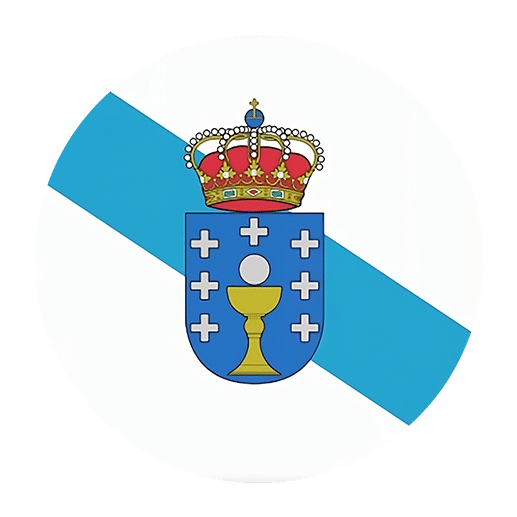
Galician, known as “Galego” in its native tongue, is a Romance language that serves as a cornerstone of cultural identity and community in the Galicia region of northwest Spain. With a rich history that dates back to the Middle Ages, Galician has evolved alongside its people, influencing and being influenced by the socio-political landscape of the Iberian Peninsula. In modern times, Galician plays a pivotal role in the cultural tapestry of Galicia, affecting education, media, literature, and everyday life.
Historical Context of the Galician Language
The roots of Galician can be traced back to the medieval Kingdom of Galicia, where it emerged as a distinct language from Latin. During the 12th and 13th centuries, Galician-Portuguese was widely used across the kingdom, enjoying a golden age of literary production. This period saw the creation of “cantigas,” lyrical poems often dedicated to themes of love and devotion, which remain important cultural artifacts.
However, the language’s fortunes changed in the late Middle Ages and Renaissance when Castilian Spanish began to dominate the Iberian Peninsula. Galicia’s integration into the Kingdom of Castile led to a decline in the use of Galician in formal and administrative contexts. It was relegated to a language of the peasantry and everyday communication, while Castilian Spanish became the language of power and prestige.
The Revival of Galician
The 19th and 20th centuries saw a renaissance for the Galician language, spurred by a broader European movement toward regionalism and cultural revival. Intellectuals and writers like Rosalía de Castro and Eduardo Pondal began to produce significant works in Galician, rekindling interest in the language and culture. This period, known as the “Rexurdimento” or “Resurgence,” laid the groundwork for modern Galician literature and cultural expression.
The advent of democracy in Spain in the late 20th century further bolstered the status of Galician. The Spanish Constitution of 1978 recognized the country’s regional languages, including Galician, as co-official alongside Castilian Spanish in their respective territories. This legal recognition has been instrumental in promoting the use of Galician in public life, education, and media.
Galician in Modern Education
One of the most significant ways Galician has been integrated into modern culture is through the education system. The Statute of Autonomy of Galicia, enacted in 1981, mandates the teaching of Galician in schools across the region. This policy ensures that new generations grow up bilingual, fluent in both Galician and Castilian Spanish.
Primary and secondary schools offer subjects taught in Galician, and there are even specific subjects focused on Galician language and literature. Universities in Galicia, such as the University of Santiago de Compostela, offer degree programs and courses conducted in Galician, further embedding the language into academic and intellectual life.
Media and Communication
The media landscape in Galicia also reflects the importance of the Galician language. Television channels like TVG (Televisión de Galicia) broadcast a variety of programs in Galician, ranging from news and entertainment to educational content and cultural documentaries. This presence in the media helps normalize the use of Galician in everyday life and provides a platform for Galician artists, writers, and thinkers.
Radio stations and newspapers also contribute to the linguistic landscape. Stations such as Radio Galega offer programming in Galician, while newspapers like “La Voz de Galicia” and “Faro de Vigo” include sections or entire editions in the language. Digital media has further expanded the reach of Galician, with numerous blogs, podcasts, and online platforms dedicated to fostering the language and culture.
Galician Literature and Arts
Galician literature has flourished in the modern era, building on the foundations laid during the Rexurdimento. Contemporary authors such as Manuel Rivas and Xosé Luís Méndez Ferrín have gained national and international recognition for their works in Galician. These authors explore a range of themes, from historical narratives and political critiques to intimate explorations of identity and belonging.
The arts, too, have embraced Galician as a medium of expression. Theater companies perform plays in Galician, and music artists incorporate the language into their lyrics, blending traditional Galician sounds with modern genres. This vibrant artistic scene not only preserves the language but also innovates and expands its expressive potential.
Galician in Everyday Life
Despite these institutional supports, the use of Galician in everyday life varies across the region. In rural areas, Galician remains the dominant language, spoken in homes, marketplaces, and community gatherings. In urban centers, however, Castilian Spanish often predominates, especially among younger generations and in professional settings.
Efforts to promote Galician in everyday life include public awareness campaigns, cultural festivals, and community initiatives. Events like the “Día das Letras Galegas” (Galician Literature Day) celebrate the language and its literary heritage, while local organizations work to encourage the use of Galician in business, technology, and social media.
Challenges and Future Prospects
The future of the Galician language faces both opportunities and challenges. On the one hand, institutional support and a strong cultural movement provide a solid foundation for its continued growth and development. On the other hand, globalizing forces and the dominance of Castilian Spanish in many aspects of life pose significant challenges.
Language activists and policymakers continue to advocate for measures to support Galician, such as increased funding for language education, incentives for businesses to operate in Galician, and the development of digital tools and resources. The engagement of the younger generation is particularly crucial, as their attitudes and choices will shape the future linguistic landscape of Galicia.
Conclusion
The Galician language is more than just a means of communication; it is a vital component of Galician identity and culture. From its historical roots and revival to its role in modern education, media, literature, and everyday life, Galician continues to shape and be shaped by the people of Galicia. As the region navigates the complexities of a globalized world, the preservation and promotion of Galician remain essential to maintaining the rich cultural heritage and unique identity of Galicia.